Dishes
Everything About Japanese Curry: Roux, Katsu and the Rules
Sweeter, thicker and browner than anything it is named after. Japanese curry is a stew held together by a flour-and-butter roux, and almost everything surprising about it follows from that one fact.
The definition
A Stew, Not a Curry
Japanese curry, karē raisu, is built like a European stew. Onion, carrot and potato are cooked with meat, then thickened with a roux carrying curry spice, and the result is poured beside rice rather than served in a bowl with bread. It is thick enough to hold a shape against the rice, mild enough that children eat it, and brown rather than red or green.
That construction is why comparisons to Indian cooking mislead. There is no bloomed whole-spice base, no yoghurt or coconut, no dry-fried masala; the spice arrives pre-blended, and the flavour is carried by fat and flour. Japanese curry is best understood as its own dish that happens to share a loan word with several others.
The mechanism
Roux Blocks and What They Replaced
Until the 1960s making curry at home meant making the roux: flour cooked in fat until it browned, curry powder stirred through, then let down with stock. It is not difficult but it is fifteen unforgiving minutes, and burnt roux ruins the pot. The solid roux block — a slab of flour, fat, spice and seasoning sold in a box and dropped into the pan at the end — removed that step, and it is the reason the dish became a national staple rather than a restaurant one.
Blocks are sold by heat level and by house, and the difference between brands is more about the fat and the sweetness than the spice. Cooks who take the dish seriously often use two brands together, or add a block to a stew they have already built, which is a reasonable description of how most Japanese households actually make it.
Katsu
Why Katsu Curry Works the Way It Does
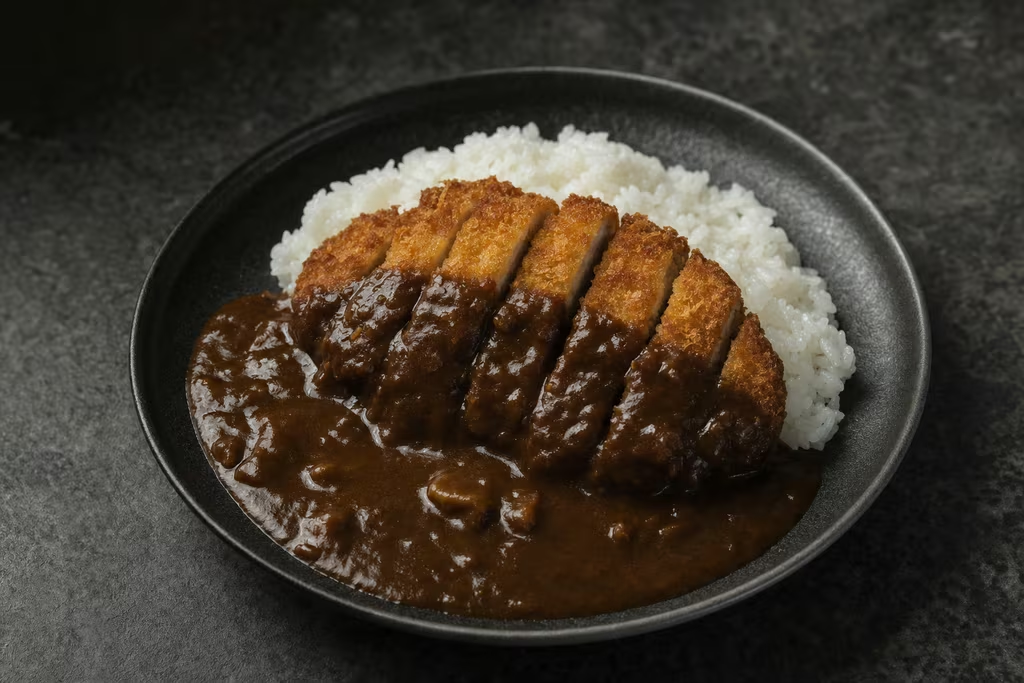
Katsu curry is the pairing that travelled furthest. A pork or chicken cutlet is crumbed in panko, fried, sliced, and set on rice with the curry poured beside it rather than over it. The order matters: sauce over the crust turns it soft within a minute, so the cutlet is placed to keep one edge dry and the diner decides how much of it to wet.
Panko is the other half of the answer. Its flakes are larger and drier than European breadcrumbs, so they absorb less oil and hold a coarser, crisper shell — which is exactly what is needed next to a thick sauce. Everything about the combination is a texture argument, which is why it survives being reheated so badly and why it is best eaten where it was fried.
- The ricePlain short-grain, no seasoning — the sauce is doing that work.
- The saucePoured beside the cutlet, never over the whole of it.
- The cutletSliced before it lands, so it can be eaten without a knife.
- The pickleFukujinzuke or red rakkyo on the side, for acidity against the fat.
The rules
What Makes a Certified Yokosuka Naval Curry
Yokosuka, the naval port where the dish entered Japan, runs a certification scheme for restaurants serving curry under the city’s name, and the conditions are specific. The recipe has to follow the navy’s own 1908 cookery manual; the dish is served with milk and a small salad alongside; and only approved restaurants may use the designation. Packaged versions sold in the city’s shops carry the same certification.
The milk and the salad are the part visitors query most, and they are not garnish. Both were part of the naval meal the recipe came from — milk as a ration component, salad as the fresh element on a diet that badly needed one. Keeping them is the point of the scheme: it certifies a meal rather than a sauce.
What is certified
The Meal, Seen From Above
What the scheme certifies is an arrangement rather than a sauce. Rice against sauce on one divided plate, with the two things the 1908 ration put beside it.
At the table
How the Plate Is Actually Arranged
Japanese curry arrives as a divided plate rather than as a bowl with rice in it. The rice is on one side, usually shaped, and the sauce is poured against it on the other, so the two meet along a line the eater moves across rather than being stirred together at the start. It is eaten with a spoon, not chopsticks, which is one of the clearest signs the dish came in from outside; almost nothing else in the standard Japanese repertoire is served that way.
The pickles beside it are not a garnish. Fukujinzuke, a soy-pickled mix of daikon, aubergine and lotus root, and rakkyo, small pickled shallots, are there to cut a sauce that is thick, sweet and mild by design, and a plate served without either of them tastes flatter than it should. A raw salad and a glass of milk appear alongside the certified naval version for the same reason, and in that case because the 1908 standard put them there.
Still asked
Questions About Japanese Curry
Is Japanese curry the same as Indian curry?
No, and it did not come from India. Japanese curry is an Anglo-Indian stew thickened with a flour-and-butter roux, which reached Japan through the Royal Navy in the late nineteenth century. It is thicker, sweeter, milder and browner than almost anything cooked in India.
What is katsu curry?
A crumbed and fried cutlet — usually pork or chicken — sliced and served on rice with curry sauce poured beside it. The sauce is kept off part of the crust deliberately, because panko loses its crispness within about a minute of getting wet.
Can Japanese curry be made without roux blocks?
Yes, and it was for the first sixty years. Cook flour in butter or oil until it browns, stir curry powder through it, then let it down with stock and add it to the pot at the end. The blocks exist because that step is easy to burn, not because it is complicated.
Why is Japanese curry served with milk and salad in Yokosuka?
Because both were part of the naval meal the certified recipe comes from, and the city’s certification scheme requires them. A restaurant serving the sauce without them is serving curry, but not Yokosuka naval curry.
What pickle goes with it?
Usually fukujinzuke, a soy-pickled mix of chopped vegetables, or red-pickled rakkyo shallots. Both are there for acidity and crunch against a sauce that is fat-heavy and soft throughout.
Read next
Where the Dish Came From, and What Else Goes on Rice
Places
The History of Yokosuka
The naval port where the dish arrived, and the 1908 manual that fixed it.
A British stew, by ship
Condiments
Homemade Chilli Oil Recipe: The Crunchy Kind
The sediment is the product, and two oil temperatures decide whether it works.
Eat the solids