
Salmon nigiri
How Salmon Nigiri Is Made: The Rice, the Cut and the Wasabi
Four components, in a fixed order, each one placed with a decision behind it. This is how salmon nigiri is made, taken apart and set down slowly — about twenty seconds of a practised hand, one move at a time.
01
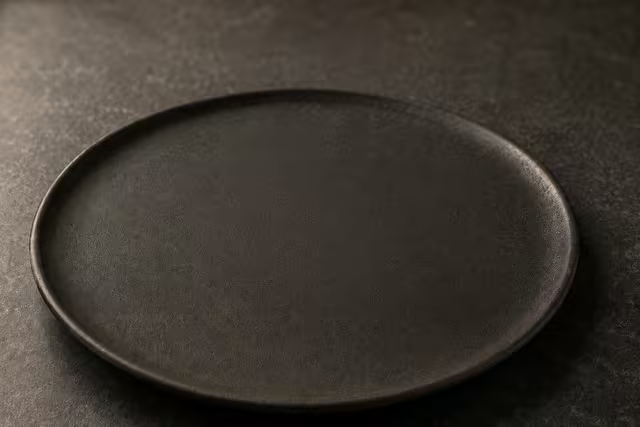
The plate
A flat, dark surface. The only thing the piece is actually built on.
02
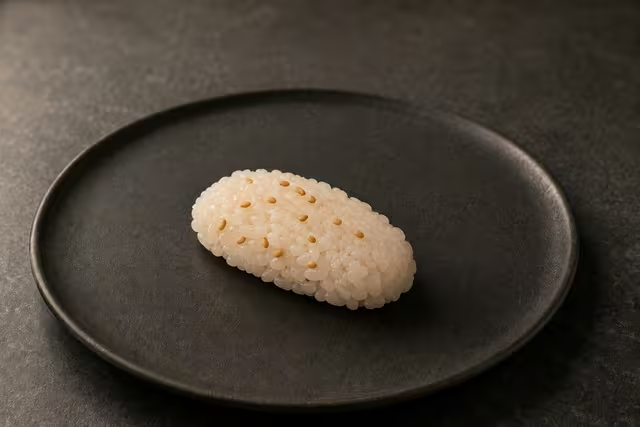
The rice
Seasoned while hot, held warm, pressed once and no more.
03
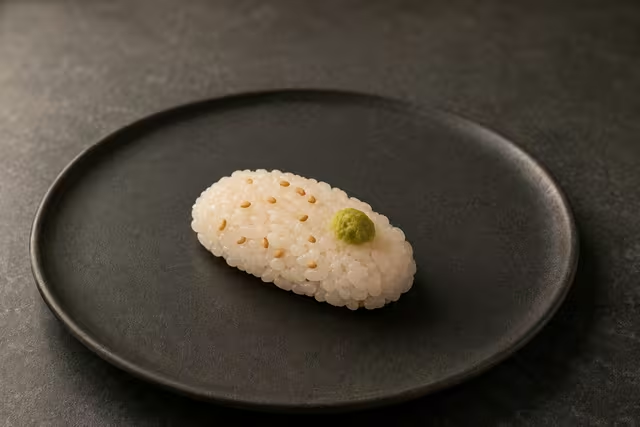
The wasabi
A dab the volume of one grain, placed where nothing will show it.
04
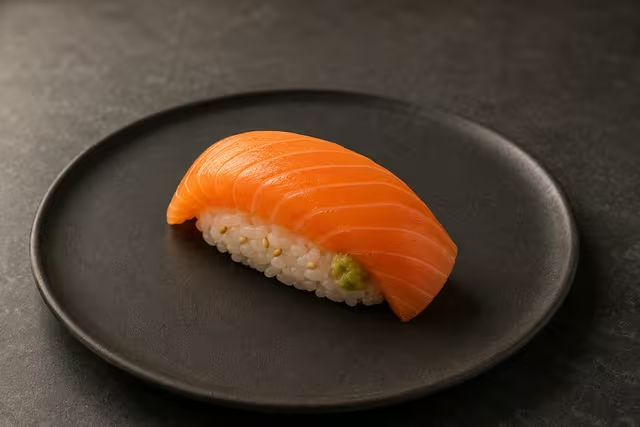
The fish
Cut across the grain, draped rather than dropped.
The order of things
Crafted one layer at a time.
Great nigiri is built, not assembled. Each part waits for the one beneath it, and the order is decided by mechanics rather than ceremony.
- 01The Plate
- 02The Rice
- 03The Wasabi
- 04The Fish
- 05The Ingredient
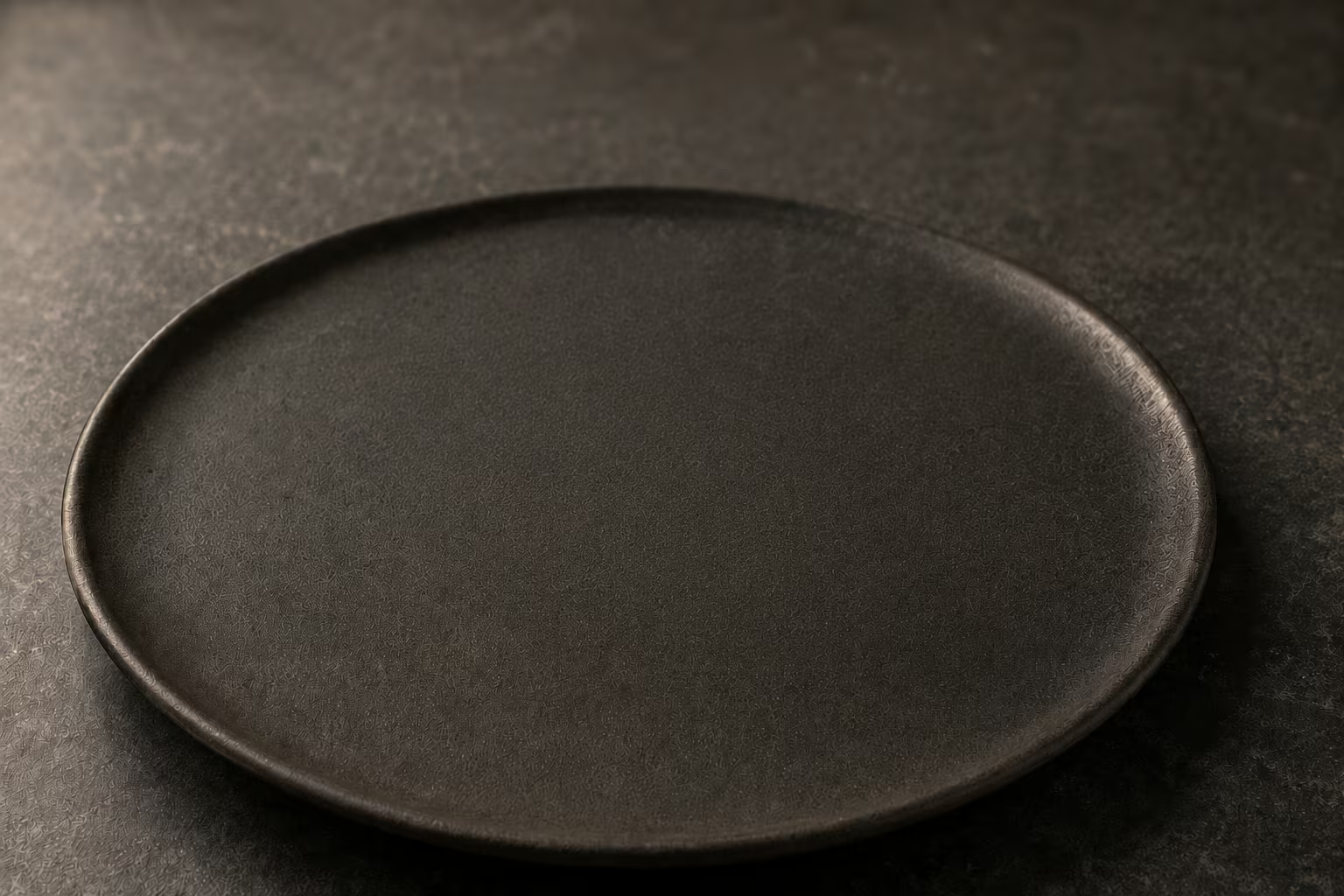

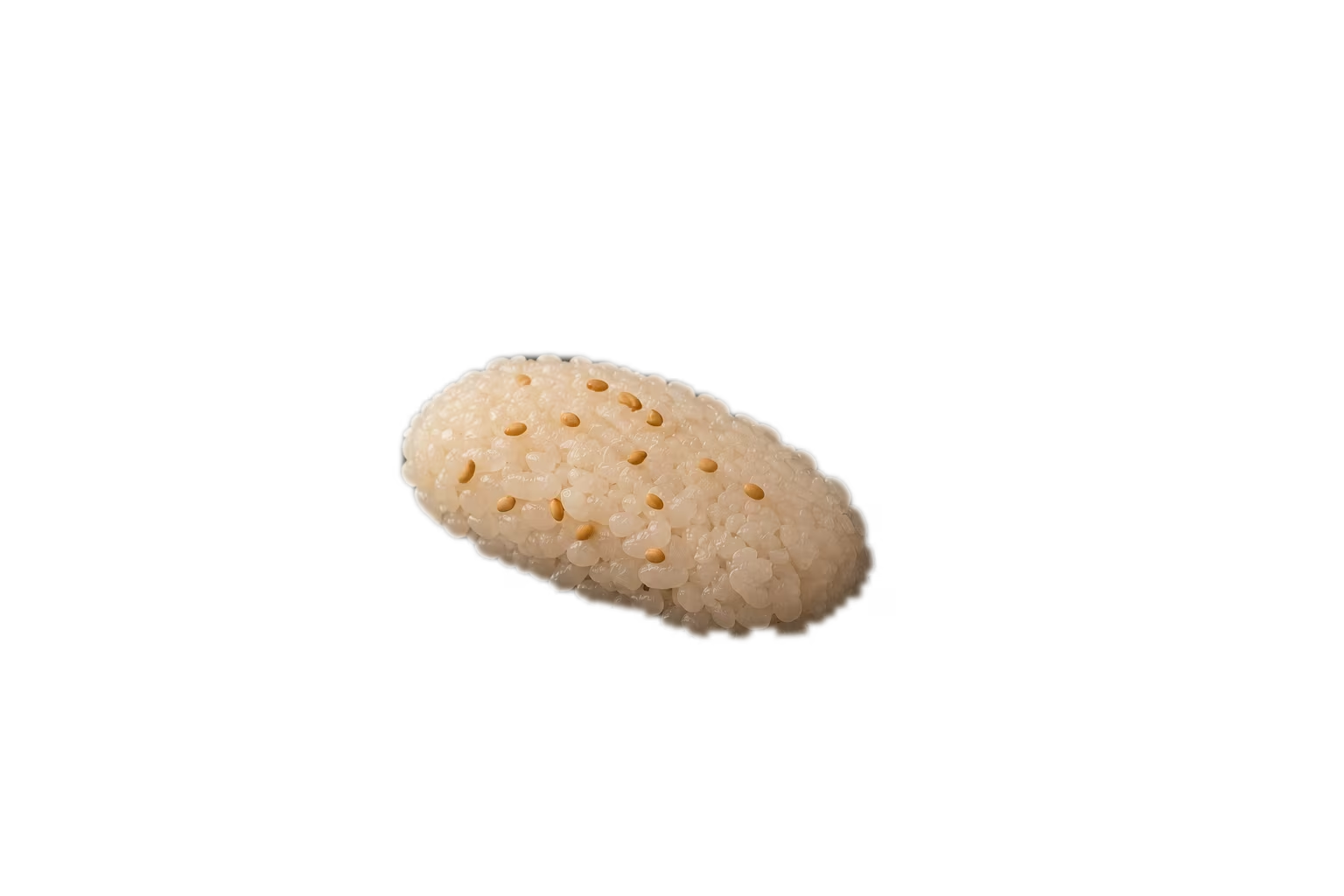
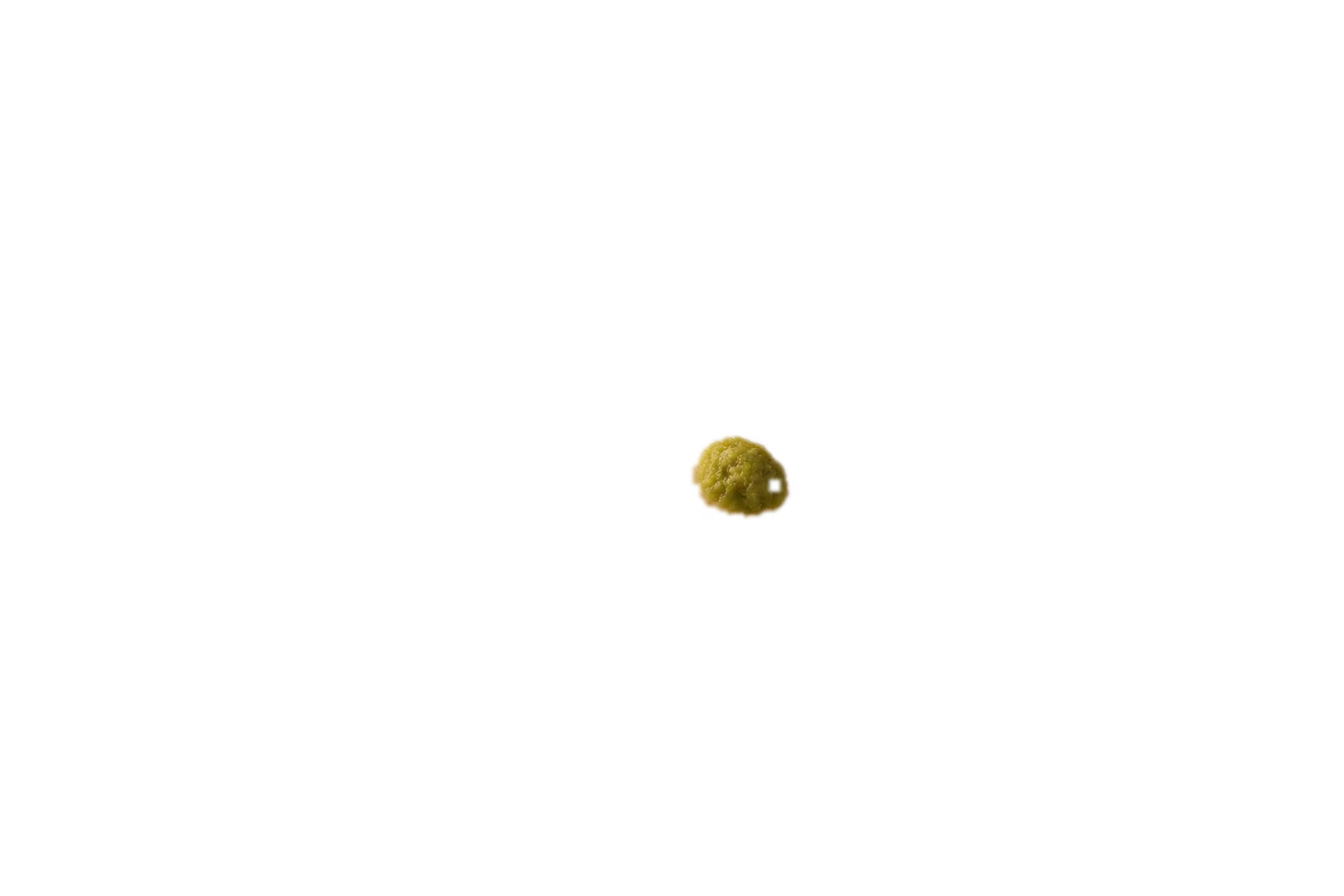

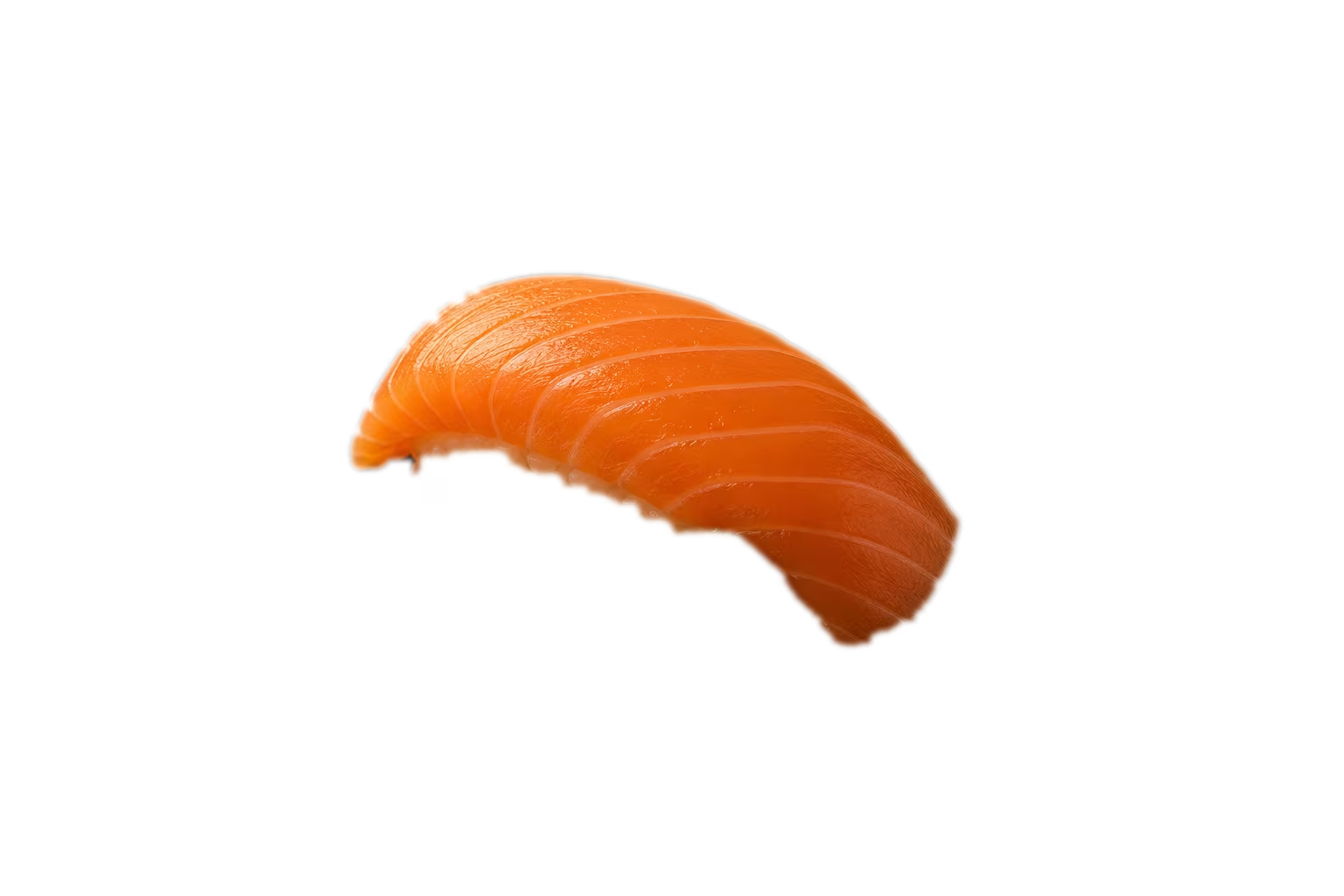
The dish is built in order: the rice base is formed, a little wasabi is added, then the salmon is laid over the top.
The ingredient
Salmon The one part of the piece a diner judges before tasting it
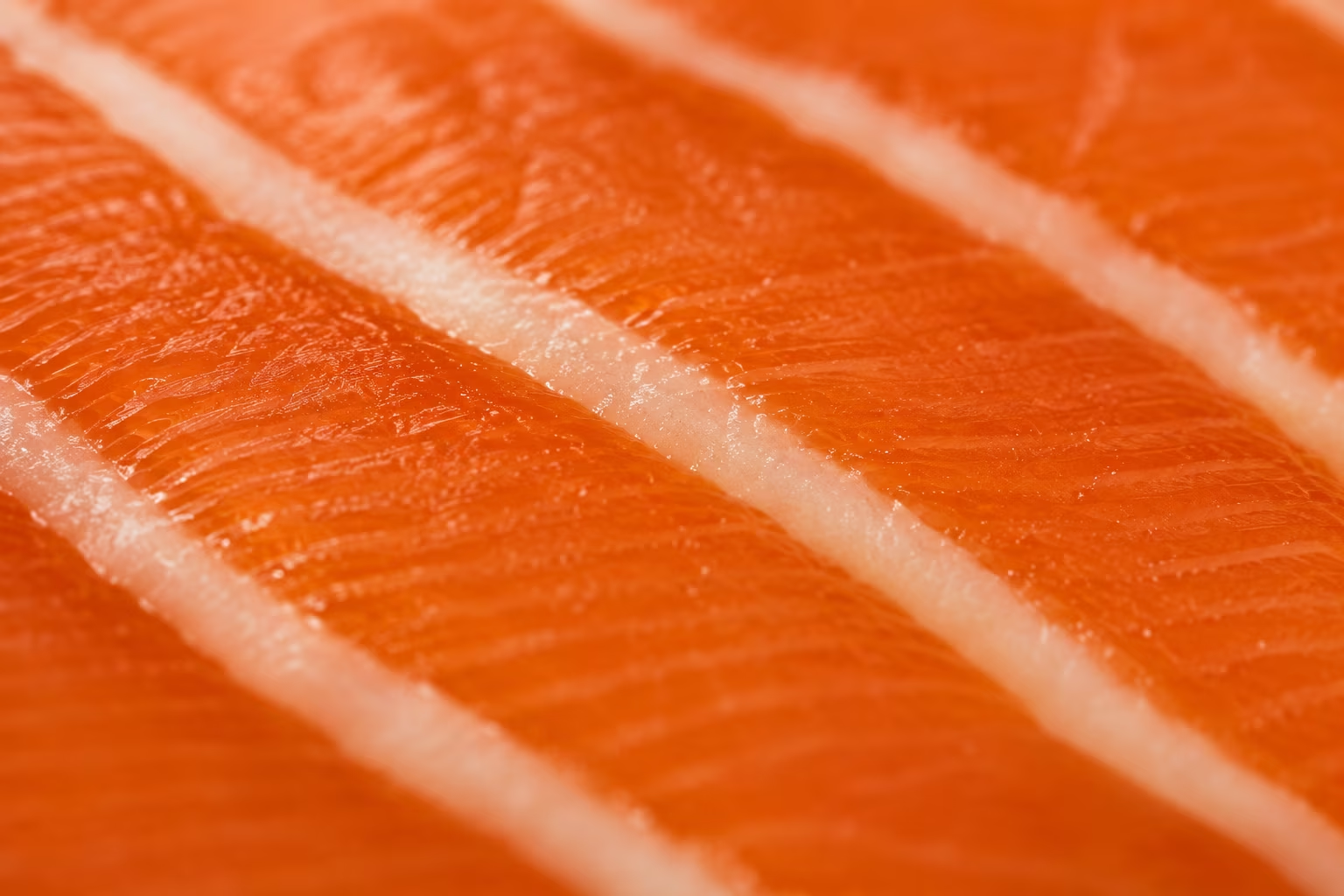
It starts with the ingredient. A slice for nigiri is cut across the grain of the loin, at an angle shallow enough to widen the face without thinning it to the point where it tears over the rice. The bands of white running through it are myocommata — connective tissue between muscle segments, and the reason a slice holds its shape rather than falling apart under its own weight.
Farmed Atlantic salmon reaches a counter with a fat content that varies along the fillet, which is why the same fish yields slices of noticeably different character depending on where the knife entered. The belly runs richer and softer; the loin nearer the tail is leaner and firmer, and takes a cleaner edge.
- Cut
- Across the grain of the loin, 8–10mm, angled to widen the face
- Weight per piece
- Roughly 12–18g of fish over 15–20g of rice
- The white bands
- Myocommata — connective tissue between muscle segments
- Served at
- Just under room temperature, never straight from the fridge
Before the first bite
What a Good Piece Looks Like Before It Is Tasted
Most of what separates a good piece from an ordinary one is visible on the plate. A piece that has been made properly stands slightly taller than it is wide, holds a soft shoulder along the top edge, and sits without spreading; the grains at the side are distinct enough to count, which is the sign the rice has been pressed once and not worked. Where the rice has been compacted it goes glassy and the sides turn smooth, and no amount of good fish recovers from that.
The fish tells the rest. The face of the slice should be flat and slightly wet-looking, the pale bands running across it rather than along it, and the edges clean rather than feathered. A feathered edge means the blade was dragged back and forth instead of drawn once. The slice should also cover the rice with a small overhang at each end and no gap in the middle: a slice that has to be stretched to reach was cut too thin, and one that domes over the top was cut too thick for a single mouthful.
One more thing is visible and almost always missed: what the piece is standing on. Nigiri is set down on a flat, dry surface for a reason, and a plate with a puddle on it will have softened the underside of the rice before the piece is picked up. The same goes for a piece that has been sitting. Rice loses its warmth in a couple of minutes and never gets it back, which is why a counter sends pieces out one or two at a time rather than building a row of eight and presenting them together.
On the counter
The Six Words Worth Knowing
Almost every part of a piece of nigiri has a name that is more specific than its English translation, and two of them describe things a diner is very likely to get wrong. These are the six that come up most often.
- ShariThe rice
- Seasoned rice rather than plain rice: cooked firmer than table rice, dressed with vinegar, sugar and salt while it is still hot, then held near body temperature until it is used. It is the component the training is mostly about.
- NetaThe topping
- Whatever the rice carries. For salmon nigiri that is one slice of roughly 12 to 18 grams, cut across the grain, but the word covers omelette, shellfish, sea urchin and everything else that goes on top.
- NikiriThe glaze
- A thinned, lightly sweetened soy sauce brushed onto the fish before the piece is set down. It is why a piece made at a good counter needs no dipping at all, and why the surface looks wet under the light.
- GariThe ginger
- Thin-sliced pickled ginger, eaten between pieces to clear the palate. Laid on top of the fish, which is common, it stops being a palate cleanser and simply replaces the taste of the fish with the taste of vinegar.
- MyocommataThe white bands
- The sheets of connective tissue between muscle segments, visible as pale lines crossing a salmon slice. They are what holds a slice together, and the reason cutting across them behaves nothing like cutting along them.
- Seiyō-wasabiThe substitute
- Literally western wasabi: horseradish, dyed green, often with mustard and sometimes a trace of the real plant. Nearly all of the green paste served outside Japan is this rather than Wasabia japonica.
Four chapters
One Piece Taken Apart: The Rice, the Cut and the Wasabi
The anatomy
What Goes Into a Piece of Salmon Nigiri
Four parts and one fixed order. Nothing is glued and nothing is moulded — friction and the shape of the rice are the only things holding a piece together.
Four elements, one mouthful. The unit nigiri is designed in.
The base
Sushi Rice Is Made First, and It Decides the Rest
Rinsed until clear, cooked firmer, dressed while hot, held near body temperature — and ruined for good by one press too many.
Everything noticed happens on top. Everything that goes wrong happens underneath.
The slice
Why the Cut Matters More Than the Fish
Across the grain, at a shallow angle, finished in one draw of the blade. A good loin badly cut makes a worse piece than an ordinary loin cut well.
The shine a diner reads as freshness is the knife, not the fish.
The hidden layer
The Wasabi You Cannot See
Almost nobody outside Japan is eating wasabi. What the green paste usually is, why the real thing fades in minutes, and why the dab belongs underneath.
The only component with a position rather than a quantity.
Still asked
Questions About Salmon Nigiri
How is salmon nigiri made, step by step?
Asked plainly, how salmon nigiri is made comes down to four moves in one order: season the rice and hold it warm, form fifteen to twenty grams of it in the hand, place a dab of wasabi on the formed rice, then drape a slice of fish over the top and press once.
The press is the part that takes practice. It has to bind the slice to the rice without compacting the grains underneath.
Is salmon traditional in Japanese sushi?
Not historically. Salmon arrived in Japanese sushi in the late 1980s behind a Norwegian trade campaign, which found a market for farmed Atlantic salmon in a country whose own Pacific salmon carried a parasite risk and was therefore not eaten raw.
It is now one of the most ordered pieces in the world while sitting slightly outside the classical repertoire.
How thick should the fish be?
Around eight to ten millimetres, cut across the grain at an angle. Salmon is softer than tuna, so a slice taken too thin loses its shape over the rice, and one taken too thick stops being a single mouthful — which is the only unit nigiri is designed in.
Why is the wasabi hidden under the slice?
Because it works better there. Under the fish it seasons from within and adds grip between slice and rice, and it cannot be brushed off. On top it would be tasted first, on its own, and mostly lost.
Does nigiri need soy sauce?
A piece seasoned properly does not. Where it is used, the fish side is dipped rather than the rice: seasoned rice takes up soy sauce quickly, loses its structure, and the piece comes apart between plate and mouth.